Overstimulated in Perimenopause: When Everything Feels Too Loud
The pressure cooker whistles. The TV is on in the next room, a news anchor shouting about something. The family WhatsApp group buzzes for the ninth time in a minute. Your son needs a form signed. Someone asks where the charger is. And then a voice says, perfectly innocently, "What's for dinner?", and something inside you goes white and sharp.
You want to scream, or cry, or walk out of the door and keep walking. Mostly you want everyone and everything to stop. For two minutes. Please.
If that feels familiar, you are not difficult, ungrateful or cold. You may simply be overstimulated, and perimenopause can make that far more likely.
In short: Feeling overstimulated in perimenopause is common. Shifting hormones, broken sleep and a nervous system already on alert can make noise, touch and constant demands feel overwhelming, and irritability can flare fast. A 2-minute retreat, even in the bathroom, with covered ears and a long, slow out-breath, may help you come back down. If it comes with low mood most days, talk to a doctor.
Why does everything feel so loud in perimenopause?
Lots of women describe it the same way: as if someone turned up the volume on the world. The fridge hum. The ticking clock. A child's question asked for the third time. A scratchy label on your blouse. Things you tuned out for years suddenly feel impossible to ignore.
There are a few likely reasons. Fluctuating oestrogen affects brain chemicals involved in mood and stress, so your fuse may simply be shorter than it was. Night sweats and 3am waking leave your nervous system with less in reserve. And many women in midlife are carrying more than ever: teenagers, ageing parents, work, and a household that runs on your memory. Overstimulation isn't a character flaw. It's what happens when the input is high and the reserves are low.
Is sensory overload a symptom of menopause?
Sensory overload isn't always named on symptom lists, but irritability, anxiety and feeling overwhelmed are common in perimenopause. The long-running SWAN study found the risk of depressive symptoms is 2 to 4 times higher during perimenopause, so it makes sense that the emotional side can feel bigger and closer to the surface than it used to.
If you've ever snapped and then felt crushed by guilt afterwards, our post on menopause rage may feel like a hand on your shoulder. You are not alone in this, and there is a way through the moment.
What helps when you feel overstimulated?
You don't need a silent retreat in the mountains. You need two minutes behind a closed door.
The goal isn't to fix the noise or fix yourself. It's to lower the input for long enough that your nervous system can catch up. A long, slow out-breath is one of the quickest signals you can send that the emergency is over. Slow breathing at around 6 breaths a minute is linked with calmer heart-rate patterns and the body's "rest and digest" response. Less sound, less light and a slow exhale, together, make a small pocket of calm.
Not this: snapping, then apologising, then lying awake replaying it. This instead: noticing the rising heat and stepping away before it boils over.
And yes, the bathroom counts. For many women it is the only room in the house with a lock. Use it.
Try this now: the bathroom retreat (2 minutes counts)
- Say one sentence and go: "I need two minutes." You don't owe anyone an explanation. Close the door.
- Switch off the light if you can, or lower your eyes to the floor, and run cool water over the insides of your wrists.
- Cup your palms gently over your ears, so the noise softens into a muffled hum.
- Breathe in through your nose for a count of 4, then out through your mouth for a count of 8, slow and steady, like air leaving a tyre. Repeat five or six times.
- Lower your hands and name three quiet things you can see or feel: the cool tile, the towel, your own feet.
- Before you open the door, choose the one thing you'll do next. Just one.
Two minutes is enough. If the house allows five, take five. Whichever you manage, you can't do this wrong. Some women keep a phrase ready for the doorway, in whichever language comes easiest: मुझे दो मिनट चाहिए. I just need two minutes.

When Everything Is Too Loud is a 3-minute guided meditation made for this exact feeling. Pop in one earbud behind the bathroom door and let it lead you. It's also in the MySakhi library.
How can you make your days a little quieter?
The retreat helps in the moment. A few small changes can mean you need it less often:
- Keep one quiet pocket each day, before the house wakes or after it sleeps, with no phone
- Mute the busiest group chats and check them at a time you choose
- Keep earplugs or headphones in your bag for crowded places
- Tell the people you live with, calmly and on a good day, that loud evenings are hard right now and you need a few minutes after work before the questions start
- Swap the TV news at dinner for something gentler, or for nothing at all
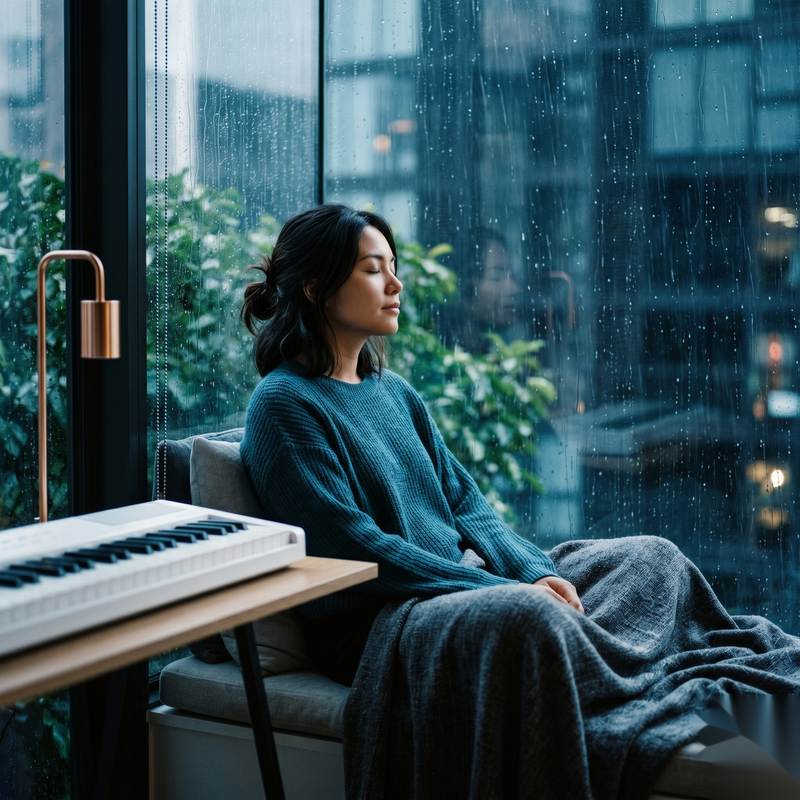
Silence Has A Colour is a slow, spacious track you can play quietly in the background when the house feels like too much.
When should you talk to a doctor?
Feeling overwhelmed sometimes is human. But if irritability, anxiety or low mood are there most days, if you're barely sleeping, or if it's straining your relationships or work, please talk to your doctor. Perimenopause can affect mood in real ways, and there are options to talk through. The UK's NICE menopause guidance, for example, includes CBT as one option for low mood linked to menopause.
If you ever have thoughts of harming yourself, contact your local emergency services or a crisis helpline now. You deserve support straight away.
It's okay to need quiet
Somewhere along the way, many of us learned that a good woman is endlessly available. What if needing quiet isn't selfish, but simply what a full, tired nervous system is asking for?
It's okay to close the door. It's okay to say "not now". It's okay to love your family and still need them to be quieter for a while. Taking two minutes doesn't take anything away from them. It gives them back a calmer you.
If your body has felt on high alert for a while, our post on menopause and your nervous system explains why. And next time the volume rises, open Sakhi, tell her "everything is too loud", and she'll suggest a short practice or some quiet music for that moment.
5 minutes. No mat. No mantra. Just you.
Questions women ask
Why do I feel so overstimulated in perimenopause?+
Shifting hormones, broken sleep and a nervous system already on alert can lower your tolerance for noise, touch and constant demands. Many women in midlife are also carrying more than ever, so reserves run low quickly.
Is sensory overload a symptom of menopause?+
It isn't always named on symptom lists, but irritability, anxiety and feeling overwhelmed are common in perimenopause. If it's affecting your daily life or mood, talk to your doctor.
What can I do when everything feels too loud?+
Step away for 2 minutes, even to the bathroom. Cover your ears gently, breathe in for 4 and out for 8, and name three quiet things around you before you go back.
When should I see a doctor about irritability in perimenopause?+
See your doctor if irritability, anxiety or low mood are there most days, or it's straining your sleep, work or relationships. If you have thoughts of harming yourself, contact emergency services or a crisis helpline now.
Listen free, wherever you are